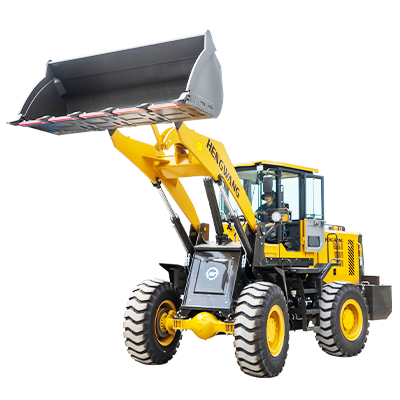
When a loader's instrument panel triggers an alarm, prompt troubleshooting and repair are crucial to ensure safe operation. Here's a systematic guide to diagnosing and resolving two common instrument malfunctions:
An erratic temperature gauge may indicate engine coolant or torque converter oil temperature issues. Follow these steps:
Sensor Wiring Test: Locate the connection wires for the temperature sensors (torque converter oil temperature: wire 15; coolant temperature: wire 14). Disconnect the harness plug.
Grounding Check: Short the sensing wire to the machine's chassis. If the gauge needle moves to full scale, then returns to the minimum reading when the wire is left unconnected—this confirms the loader's instrument and wiring are functional, with the fault in the sensor.
Solution: Replace the temperature sensor with a compatible model. Reconnect the wiring, start the loader, and verify normal gauge operation.
Extended Check: If grounding tests show no response, inspect the wiring for damage, breaks, or loose connections using a multimeter. If wiring is intact but the gauge still malfunctions, replace the loader's instrument panel assembly.
A faulty fuel gauge affects operational range assessment. Follow this diagnostic process:
Sensor Wiring Inspection: Disconnect the 19th wire from the fuel level sensor.
Signal Simulation Test: Ground the sensing wire—if the fuel gauge immediately shows a full tank, and returns to "0" when the wire is unconnected—this proves the loader's instrument and wiring are fine, with the issue in the fuel sensor.
Repair Steps: Replace the float-type sensor in the fuel tank, ensuring the float moves freely during installation to avoid stuck positions.
Wiring Recheck: If the gauge doesn't respond to tests, inspect the 19th wire for shorts or loose connections, especially at vibration-prone areas (e.g., frame joints). Repair wiring and retest the gauge.
Loader instrument alarm diagnosis follows the principle of "wiring first, components second":
Signal Simulation: Use grounding/non-connecting to mimic sensor signals, quickly isolating faults to the instrument, wiring, or sensor.
Component Replacement: Test with identical spare parts for suspected sensors or instruments to reduce troubleshooting time.
Preventive Maintenance: Regularly inspect terminal connections on the back of the loader's instrument panel, cleaning oxides and tightening screws to avoid false alarms from poor contacts.
Always turn off the loader's engine and disconnect the battery negative terminal before troubleshooting to prevent short circuits.
Ensure sensors match the loader's original specifications. Wire numbering may vary by brand—refer to the equipment manual for wiring diagrams.
Recurring instrument faults may signal voltage instability from the generator; check the charging system voltage alongside repairs.
Following these steps efficiently resolves loader instrument alarm issues, maintaining accurate equipment monitoring for safe and efficient operations.